Online crash games like Aviator offer a particular sort of thrill, where stakes increase with every passing second. That excitement brings a clear danger: the difference between a smart cash-out and forfeiting your bet is just one click. From my experience analysing these games, sustained success doesn’t come from guessing the crash point. It comes from a rigorous, unemotional system for controlling risk. For players in the UK, the real secret is certainly not a secret trick. It’s a expert attitude towards your money and your mindset.
Understanding Aviator’s Core Mechanics and Intrinsic Risk
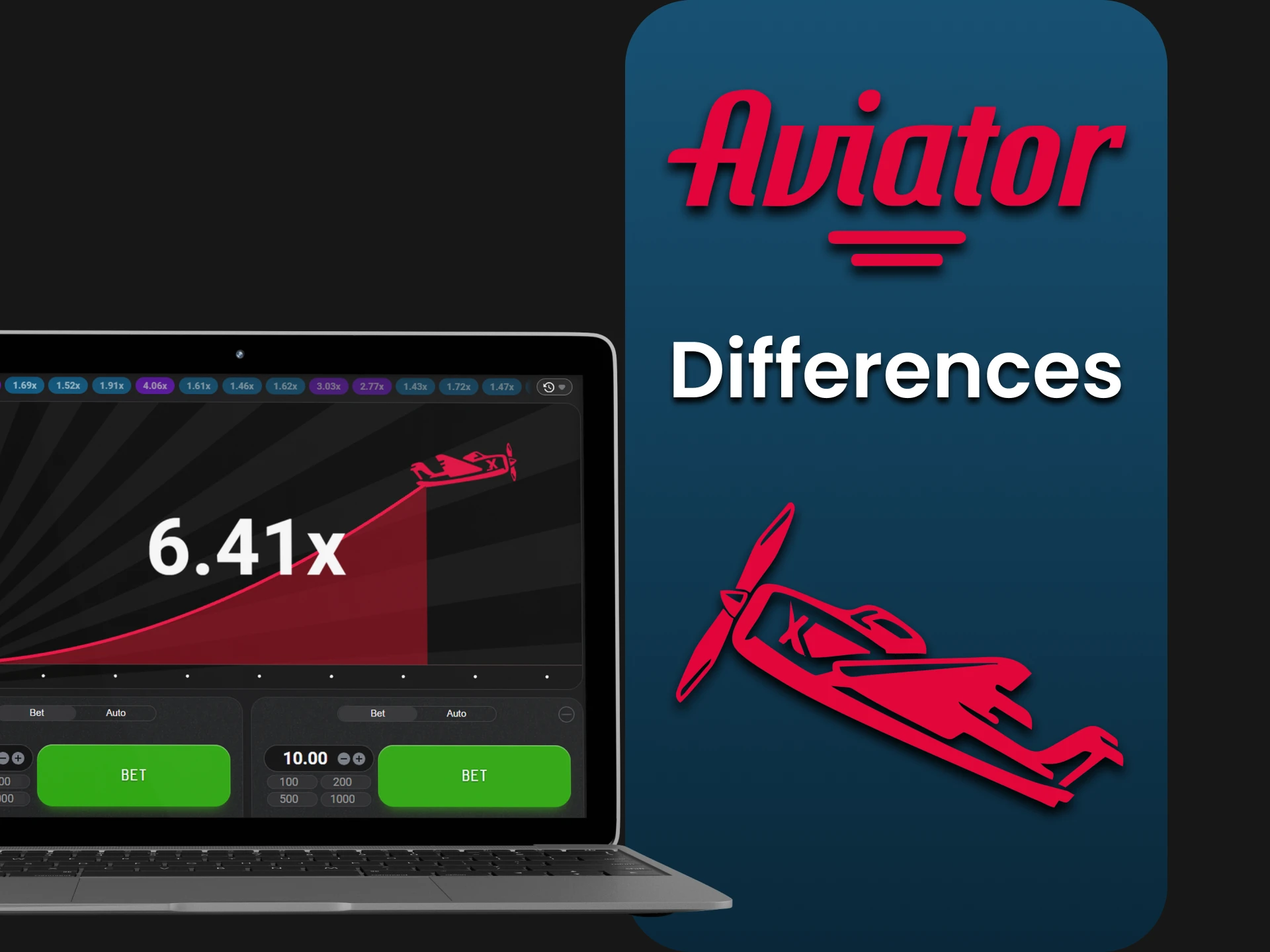
You can’t control risk in a game you fail to understand. Aviator functions on a simple premise. A multiplier begins at 1x and ascends, much like an aircraft gaining altitude, until it unexpectedly crashes at a arbitrary moment. Your primary job is to collect your winnings before that happens. If you fail to, you lose the stake you put down. The game depends on a certified Random Number Generator (RNG) to ensure fair play. This signifies every round is its own isolated event, with no connection to the last. That randomness is the main risk. Your strategy should strive to weather it, not to overcome it.
UK players should also remember that Aviator, like any casino game, has a built-in house edge. The game’s algorithm includes a stated Return to Player (RTP) percentage. Over a vast number of rounds, the game is mathematically designed to hold a portion of all money wagered. Good risk management requires accepting this fact. Your objective shifts from overcoming the system to managing how you deal with it. The goal is to make your own sessions operate better than the long-term statistical average through self-control.

The Professional’s Mindset: Logic Over Feelings
The most effective financial plan collapses without the right psychology. Aviator is built to generate adrenaline spikes and the intense urge to recoup what you’ve lost. The expert method views each bet as a calculated business move, not a form of entertainment. Mastering your emotions is your strongest shield. This entails viewing losses as a routine business expense and regarding wins as the natural outcome of a good process, not a cause for celebration.
In the UK’s focus on safer gambling, cultivating this detached perspective is simultaneously a wise tactic and a responsible choice. Determine your purpose before you start. Are you logging in for a short, strictly-managed session, or do you plan to test a new approach? As soon as you notice frustration, over-excitement, or tiredness, your impartial judgement is undermined. That’s your indicator to pause. The activity isn’t going anywhere. Your discipline, though, can disappear in a moment and drag your capital with it.
Bankroll Management: Your Personal Financial Safety Net
This is the non-negotiable foundation of serious play. Your bankroll is money you have allocated specifically for gambling, funds you can part with completely. It should never mix with money for rent, bills, or savings. A good rule is to use only a small part of your available entertainment budget. Once that fund is set, you must choose your unit size. I recommend that a single bet should amount to no more than 1% to 2% of your total bankroll. This careful method shields you from the normal swings and losing runs every player encounters.
Take a £500 bankroll as an example. Your standard bet would be between £5 and £10. This system lets you endure a run of bad luck without exhausting your funds. It keeps you in the game, giving you a possibility to recover. It also prevents you from falling into the classic trap of pursuing a big loss with even bigger, reckless bets. For anyone playing in the UK, managing your bankroll in this way is vital. It changes gambling from a financial danger into a regulated pastime with clear boundaries.
Setting Up a Stop-Loss and Take-Profit Protocol
Unit sizing secures your overall funds, but session limits defend you from your own tendencies. A stop-loss is a fixed amount you are ready to lose in one session before you leave. A take-profit is a target gain at which you will collect and end your play. I determine these limits on your unit size. A common and effective framework is a daily stop-loss of 10 units and a take-profit of 5 units.
- Example: If your unit is £5, your daily stop-loss is £50. Your take-profit is £25. Lose £50, and you’re finished for the day. Win £25, and you quit and lock in that profit.
- Why it works: This system ensures you capture wins and stops a bad session from worsening. It imposes discipline, taking emotional factors out of the equation. Reaching your profit target feels like a planned success. Hitting your stop-loss is a scheduled exit, not a personal failure.
Sticking to these rules is tough but essential. The temptation to have “just one more go” after you’ve reached a limit is where casual players struggle. A professional treats their pre-set rules as unbreakable, knowing that consistency over hundreds of sessions is what generates long-term stability.
Calculated Betting Approaches for Reducing Volatility
Your choice of betting approach directly influences how much risk you experience. No method can defeat a random activity, but some methods can reduce the wild variations. The two main philosophies are flat betting and progressive systems. Flat betting, where you bet the same unit every single hand, is the professional’s norm. It ensures your risk steady and manageable. Variance will arise, but it won’t be made worse by boosting your stakes.
Progressive methods, such as the Martingale method where you increase your bet after a setback, are tempting but risky. They can recoup small losses fast, but they increase your danger. A few losses in a row can force you to place a huge wager that could destroy your funds. I highly urge UK players to steer clear of these techniques. They go against everything professional risk management stands for. A more moderate concept is a conservative ‘1-2-3’ guideline: after a victory, you might carefully boost your next bet by one step, but never past a strict limit you determine in ahead of time.
You can also think about the schedule of your stakes. Some gamblers mention avoiding consecutive rounds or searching for phantom patterns. Remember, each round is unrelated. From a risk viewpoint, simply decreasing your betting frequency, instead of playing every single hand, aids maintain command. It limits your susceptibility to quick, impulsive setbacks that stem from playing without considering.
Maximizing Bonuses and Promotions Wisely
The UK casino scene is full of promotions, but a professional assesses them with a cautious eye. Welcome bonuses or free bets for Aviator can give you extra capital to play with, which is helpful for testing tactics. But they always come with Wagering Requirements. These terms state how many times you must bet the bonus money before you can withdraw any associated winnings. For a volatile game like Aviator, high wagering requirements can be a pitfall. They can push you to bet more and more recklessly just to clear the bonus.
My recommendation is to only accept promotions with clear, reasonable terms. Do the maths. A £10 bonus with a 40x wagering requirement means you must bet £400 in total. That’s a lot of risk for a relatively small potential reward. Use bonuses to add to your existing disciplined strategy, not to replace it. Never change your unit size or ignore your stop-loss just because you’re playing with “bonus money.” Once credited, that money becomes part of your bankroll and needs the same strict management as your own cash.
Legal and Safe Gaming Structure in the UK
Professional risk management also means playing within a secure and legal structure. The UK has a rigorous regulatory environment, governed by the Gambling Commission. You should only ever play Aviator at a casino carrying a UKGC licence. This licence is your guarantee of transparent games, protected money, and access to responsible gambling tools. These tools are not a symbol of weakness. They are a valuable asset for any dedicated player.
I encourage every player to consistently use the deposit limits, Game Aviator Free Spins, session reminders, and self-exclusion options offered by UK sites. These operator-level controls function as a safety net for your personal discipline. On a functional level, maintaining clear records of your wins and losses is a seasoned habit. It assists with tax clarity and, more importantly, provides you a true picture of your performance. Reviewing your own data is a immediate form of risk assessment, indicating you whether your play is enduring fun or something that requires attention.
Sophisticated Approaches: Examining Game History and Community Trends
Past results have no impact on the next crash, but reviewing the game history can still help risk management. It can’t assist you to predict, but it will demonstrate you the game’s volatility. Reviewing long histories shows how often low multipliers happen compared to the rare, high-flying ones. This can set your expectations, reminding you that massive cash-outs are the exception, not the rule.
Engaging with the player community, in UK forums or live streams, can provide useful insights. Speaking with peers about bankroll tactics, emotional control, and different casino experiences establishes a support network. Be cautious, though, of anyone claiming to sell a “guaranteed system” for Aviator. In professional risk management, shared wisdom on discipline is priceless. Promises of sure-fire wins are worthless.
One final tactical note: don’t neglect the auto-cashout feature. Selecting a modest auto-cashout, say at 1.5x, on a portion of your bets can ensure a stream of small, steady returns. This decreases your overall volatility. The aim here is not to hit the jackpot. It’s to handle your exposure and secure some return on your bets, a principle any sensible investor would recognise.
True skill in Aviator stems from managing risk, not from luck. For the dedicated UK player, this means a firm commitment to discipline, a mathematical approach to your money, and smart use of the legal protections around you. When you adopt this professional framework, with its focus on controlled bets, strict session limits, and emotional calm, you transform the nature of the game. Aviator stops being a pure game of chance and evolves into an exercise in managing probability. The final aim is simple: to make sure your play remains entertaining, responsible, and firmly within the realm of sensible entertainment.